
Losing a tooth can feel like a problem that’s easy to put off. If the gap isn’t visible when you smile or if it doesn’t cause immediate pain, it may seem like something you can deal with later. In reality, missing teeth can affect your oral health in ways that aren’t always obvious at first.
Many people wait months or even years before exploring replacement options. During that time, changes can occur in the surrounding teeth, jawbone, and bite. Recognizing the early signs can help you make informed decisions and avoid more complex dental issues in the future.
Why Replacing a Missing Tooth Matters
A missing tooth is about more than appearance. Every tooth plays a role in maintaining balance within your mouth. When one tooth is lost, the surrounding teeth and supporting structures can begin to adapt, often in ways that are not beneficial.
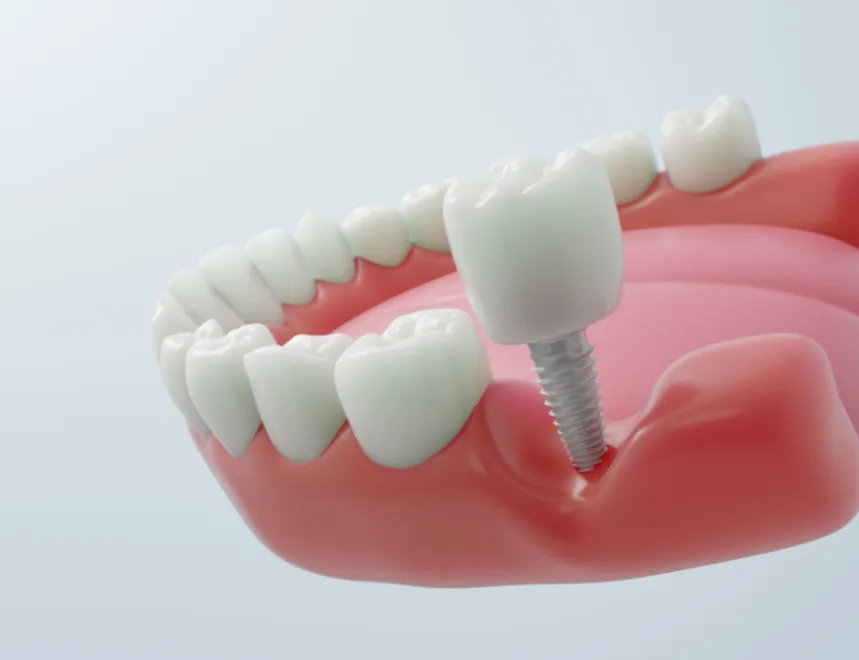
Over time, tooth loss can affect chewing, speech, jawbone health, and even facial appearance. While there are several tooth replacement options available, dental implants are often recommended because they replace both the visible tooth and the root structure beneath it.
The sooner a missing tooth is addressed, the easier it is to preserve the health of the surrounding tissues.
Sign #1: You Have a Missing Tooth That Hasn’t Been Replaced
One of the clearest signs that you may need a dental implant is simply having a missing tooth that remains untreated.
Many people adapt surprisingly well after losing a tooth. They learn to chew on one side of the mouth or avoid certain foods altogether. However, adaptation doesn’t mean the problem has gone away.
When a tooth is missing, the empty space can create long-term challenges. Neighboring teeth may begin to drift, and the forces involved in chewing become less evenly distributed. What starts as a single missing tooth can eventually affect the overall alignment of your smile.
Sign #2: You Struggle to Chew Certain Foods
Have you started avoiding foods that require more chewing? Maybe crunchy vegetables, nuts, or certain meats don’t feel as comfortable as they once did.
Chewing is designed to be a balanced process involving multiple teeth working together. When a tooth is missing, that balance is disrupted. Some people compensate without realizing it, while others notice discomfort or reduced efficiency when eating.
If you’re consistently changing your eating habits because of a missing tooth, it may be time to discuss replacement options with a dentist.
Sign #3: Nearby Teeth Are Beginning to Shift
Teeth naturally help keep each other in position. When one is lost, the surrounding teeth may gradually move into the empty space.
This movement often happens slowly, making it difficult to notice at first. Over time, however, shifting teeth can affect your bite and create areas that are harder to clean properly.
Even minor changes in alignment can increase the risk of plaque buildup, gum problems, and uneven wear on other teeth. Addressing tooth loss early can help prevent these issues from developing.
Sign #4: You’ve Noticed Changes in Your Facial Appearance
Many people are surprised to learn that missing teeth can influence the way their face looks over time.
How Missing Teeth Affect Jawbone Support
Your tooth roots do more than hold teeth in place. They also stimulate the jawbone whenever you chew. This stimulation helps maintain bone density and strength.
After a tooth is lost, that stimulation decreases. As a result, the jawbone in that area may gradually shrink. This process is known as bone resorption and is a natural response to tooth loss.
Although these changes happen slowly, they can eventually affect facial contours and overall appearance.
Why Early Intervention Can Help
The longer a missing tooth remains untreated, the more likely bone loss becomes. Addressing the issue sooner often provides more treatment options and may help preserve the natural structure of the jaw.
This is one reason dentists frequently encourage patients not to delay replacing missing teeth, even when there is no pain involved.
Sign #5: You Feel Self-Conscious About Your Smile
Tooth loss can have emotional effects as well as physical ones.
Some people become hesitant to smile in photos, speak in social situations, or participate confidently in conversations. Even when the missing tooth isn’t immediately visible, knowing it’s there can affect self-confidence.
Oral health is closely connected to overall well-being. Feeling comfortable with your smile plays an important role in how you interact with others and how you feel about yourself.
If a missing tooth is affecting your confidence, it deserves attention just as much as any physical symptom.
Sign #6: You Experience Bone Loss After Tooth Extraction
Bone loss is one of the most important factors dentists consider when evaluating missing teeth.
What Happens Inside the Jawbone
When a tooth is extracted, the surrounding bone no longer receives the stimulation it once did. Over time, the body begins to reabsorb some of that bone because it is no longer needed to support a tooth root.
This process can begin within the first few months after tooth loss and may continue gradually over several years.
Because bone loss often occurs beneath the gum line, patients are usually unaware of it until a dental examination or imaging study reveals the changes.
Why Dental Implants Are Different
Unlike many other tooth replacement options, dental implants are placed within the jawbone. This allows them to function similarly to natural tooth roots.
For this reason, dentists often consider implants a valuable option for preserving bone structure while restoring function. Every patient is different, but maintaining jawbone health is one of the key reasons implants are frequently discussed after tooth loss.
Sign #7: Your Dentist Has Recommended Tooth Replacement
If your dentist has suggested replacing a missing tooth, it’s worth taking the recommendation seriously.
These recommendations are based on factors such as your bite, oral health, bone condition, and long-term dental stability. Even if the missing tooth doesn’t currently bother you, your dentist may already be seeing signs of changes that could become more significant over time.
A professional evaluation provides information that simply can’t be gathered through self-assessment alone.
When Should You Speak to a Dentist About Dental Implants?
There is no single timeline that applies to everyone. Some patients explore dental implants soon after losing a tooth, while others seek dental treatment years later.
The important thing is not to assume that a missing tooth is harmless simply because it isn’t causing pain. Early consultation allows a dentist to assess your situation, discuss available options, and help you understand what steps may be appropriate for your individual needs.
The sooner you gather information, the more choices you are likely to have.
Final Thoughts
Tooth loss can affect far more than the appearance of your smile. Difficulty chewing, shifting teeth, jawbone changes, and reduced confidence are all signs that a missing tooth may be having a greater impact than you realize.
If you’ve noticed any of these warning signs, consider speaking with a dental professional. Understanding your options early can help protect your oral health and prevent more complicated issues in the future.
FAQs
Can I get a dental implant years after losing a tooth?
Yes. Many people receive dental implants years after tooth loss. However, the condition of the jawbone and surrounding tissues will need to be evaluated first.
Is one missing tooth enough to need an implant?
A single missing tooth can affect chewing, alignment, and bone health. Whether an implant is the best solution depends on your individual situation and your dentist’s recommendation.
How do I know if I have jawbone loss?
Bone loss often develops without noticeable symptoms. Dental examinations and imaging are typically needed to assess bone levels accurately.
Are dental implants only for older adults?
No. Adults of many different ages may be candidates for dental implants, provided their oral health and bone structure are suitable.
What happens if I never replace a missing tooth?
Leaving a missing tooth untreated can contribute to shifting teeth, bite changes, bone loss, and potential difficulties with chewing over time.

Olivia Bennett is a creative content writer at SmartResponces, specializing in witty replies, thoughtful responses, and modern communication tips. She helps readers navigate everyday conversations with ease—whether it’s replying to texts, handling awkward situations, or adding humor to their interactions.
With a passion for digital communication, social trends, and relatable storytelling, Olivia creates content that is both engaging and practical. Her work covers topics like funny comebacks, relationship communication, texting etiquette, and confidence-boosting replies designed for real-life use.
Olivia’s writing style is friendly, conversational, and easy to follow, making her content accessible to a wide audience. She believes that the right words can make any conversation smoother and more memorable, and she aims to help readers express themselves clearly and confidently.






Leave a Comment