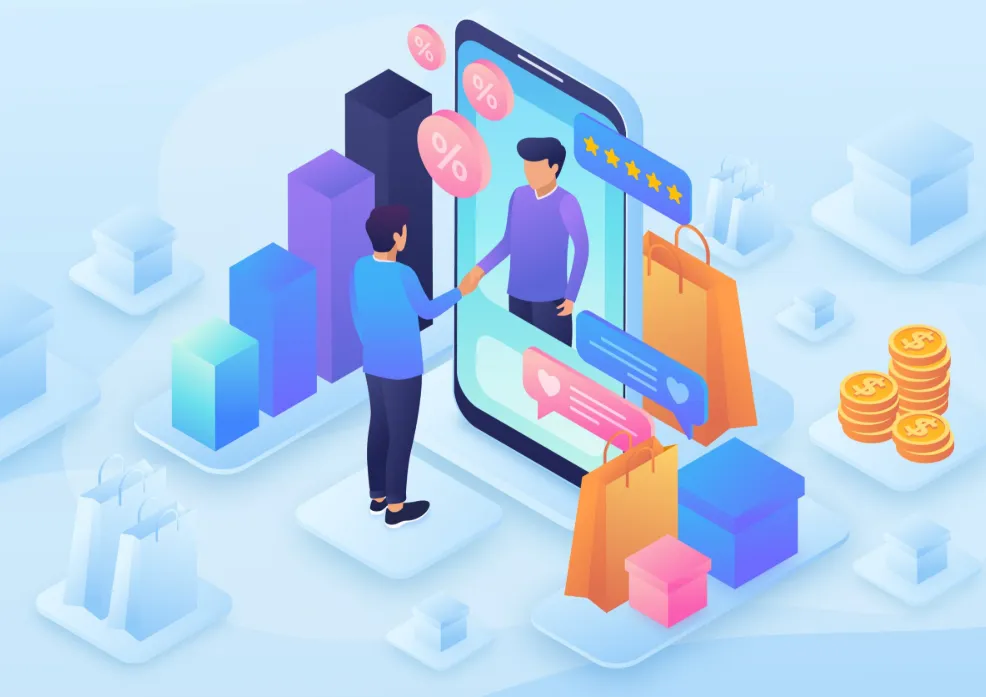

Popularity Is a Shortcut for a Tired Brain
Consumers do not always shop like careful researchers. Most of the time, people are busy, distracted, and trying to make decent choices without spending their whole day comparing products. That is where popularity becomes so powerful. A popular product feels easier to trust because other people have already paid attention to it, tested it, talked about it, and made it visible.
When someone sees high review counts, packed comment sections, trending hashtags, long waitlists, or influencer recommendations, the brain often reads those signals as proof. It quietly says, “A lot of people like this, so it must be worth considering.” That does not mean the product is always better. It means popularity reduces the mental work of deciding. Even when shoppers are hunting for a deal, such as using a Sephora promo code, the pull of popularity can shape which product they choose before price even enters the conversation.
This is why popularity affects more than the final purchase. It changes what people notice, what they search for, how long they compare, which reviews they believe, and how confident they feel at checkout. In a crowded marketplace, popularity acts like a spotlight. It tells consumers where to look first.
The Crowd Becomes Part of the Product
A product is no longer just its ingredients, features, size, design, or price. It also carries a social story. A face cream with thousands of reviews does not feel the same as a face cream with three reviews, even if the formula is similar. A restaurant with a line outside feels different from one with empty tables. A mobile app with millions of downloads feels safer than one nobody seems to talk about.
The crowd becomes part of what people think they are buying. Consumers are not only purchasing the object. They are buying the reassurance that other people chose it too. That reassurance has emotional value. It lowers the fear of wasting money and raises the feeling of belonging to something current.
This is especially true in categories tied to identity. Beauty, fashion, fitness, tech, food, travel, and entertainment are not just functional choices. They say something about taste, lifestyle, and social awareness. When a product becomes popular in these spaces, it can feel like a small ticket into a shared conversation.
Popularity Changes the Search Process
Before popularity influences buying, it influences searching. Many consumers no longer start with a broad question like, “What is the best product for me?” They start with, “What is everyone using?” That small shift matters.
Search behavior often follows social clues. A shopper may look up the foundation that keeps appearing on short videos, the water bottle everyone seems to carry, or the book that keeps showing up in recommendation lists. Popularity gives the search a starting point, which can be helpful, but it can also narrow the field too quickly.
Instead of comparing ten possible options, the shopper may compare only the three most visible ones. Instead of asking whether a product fits their needs, they may ask whether they can justify not trying it. Popularity does not always remove choice, but it quietly rearranges the order of choices.
Reviews Feel Like Safety, Even When They Need Scrutiny
Reviews are one of the clearest ways popularity becomes measurable. A high star rating plus a large number of reviews can feel like a safety net. People assume that if many buyers had a good experience, their own odds are better too.
That instinct makes sense. Reviews can reveal useful patterns about quality, fit, durability, shipping, customer service, and value. But reviews can also be shaped by timing, incentives, selection bias, or fake activity. The FTC guidance on endorsements and reviews highlights the importance of honesty and transparency in endorsements, influencer promotions, and consumer reviews.
A smart shopper does not need to ignore popularity. They just need to read it carefully. A product with thousands of reviews may still have repeated complaints hidden in the details. A viral product may solve a problem for one group of buyers but not another. The review count opens the door, but the review content should still do the real talking.
Influencers Add a Human Face to Popularity
Popularity becomes even stronger when it has a face. Influencers, creators, celebrities, and everyday reviewers make products feel personal. A product shown in someone’s bathroom, kitchen, closet, or daily routine feels more believable than a polished ad. It looks less like marketing and more like a recommendation from a friend.
That feeling is powerful because it blends two types of trust. First, the consumer sees social proof from the influencer’s audience. Likes, comments, shares, and views suggest that many people are paying attention. Second, the consumer may feel a personal connection with the creator. Even if they have never met, repeated exposure creates familiarity.
This is why influencer popularity can move products fast. A single post can make an item sell out, create waitlists, or push a little known brand into mainstream attention. But the same warmth that makes influencer content persuasive also makes it worth questioning. Is the creator sharing a genuine favorite, a paid promotion, or a mix of both? The answer changes how much weight the recommendation should carry.
Popularity Reduces Risk, Then Creates Pressure
At first, popularity feels comforting. It says, “You are not taking a random chance.” But once something becomes widely discussed, popularity can turn into pressure. Consumers may start to feel behind if they have not tried the product yet.
This pressure is subtle. Nobody may directly say, “You need this.” Still, repeated exposure can create the feeling that ownership is normal. The item starts to seem less like a choice and more like part of the cultural background. When a product appears everywhere, not buying it can feel like missing out on a shared experience.
That is how popularity shifts behavior from evaluation to participation. The consumer is no longer asking only, “Is this good?” They are also asking, “Do I want to be part of this?” For many purchases, that social question is just as influential as the practical one.
The Popular Option Often Feels Like the Default
Once a product becomes popular enough, it can stop feeling like one option among many. It becomes the default. People say the brand name instead of the category. They recommend it without comparing alternatives. They assume it is the obvious choice because everyone already knows it.
Defaults are powerful because they lower resistance. If a shopper has to make a decision quickly, the popular choice feels safe. If they are buying a gift, the popular choice feels less risky. If they are entering a new category, the popular choice feels like a reasonable place to start.
This explains why popularity can create a feedback loop. More buyers lead to more visibility. More visibility leads to more trust. More trust leads to more buyers. The product may have earned its status, but once the loop starts, popularity itself becomes part of the engine.
Word of Mouth Still Carries Special Weight
Digital popularity is loud, but personal recommendations are still incredibly influential. A friend saying, “I use this and it works,” can beat a thousand anonymous ads. Nielsen research on consumer trust has shown that recommendations from people consumers know are among the most trusted forms of marketing communication, which helps explain why personal popularity travels so well through families, workplaces, and friend groups.
This kind of popularity feels different from viral attention. It is quieter, but often more persuasive. A recommendation from someone with similar skin, budget, taste, schedule, or lifestyle feels practical. It helps the shopper imagine the product in their own life.
Brands understand this, which is why referral programs, shareable discount codes, customer communities, and user generated content matter so much. The goal is not just to advertise. The goal is to make customers carry the popularity signal into their own circles.
Popularity Can Hide Whether a Product Fits You
The biggest risk of popularity is not that it tricks everyone. It is that it can distract consumers from personal fit. A popular product can be excellent and still wrong for a specific person. The best running shoe for thousands of buyers may not fit your feet. The trending skin care product may not suit your skin. The popular budgeting app may not match how you actually manage money.
This is where consumers benefit from slowing down. Before buying the popular option, it helps to ask a few grounding questions. What problem am I trying to solve? Would I want this if it were not trending? Do the positive reviews describe people like me? Am I buying because it fits my life, or because I keep seeing it?
These questions do not reject popularity. They put it in its proper place. Popularity is a signal, not a decision.
Better Shopping Starts With Better Interpretation
Popularity will keep shaping consumer behavior because it solves a real problem. People need shortcuts. They need ways to sort through overwhelming choices. A popular product can be a useful clue, especially when the crowd is honest, diverse, and experienced.
The key is to treat popularity as the beginning of evaluation, not the end of it. High review counts, influencer endorsements, social media buzz, and strong download numbers can all point you toward something worth exploring. They should not make the purchase for you.
The smartest consumers do not ignore the crowd. They listen, then translate what they hear into their own context. Popularity may tell you what people are excited about. Your job is to decide whether that excitement belongs in your cart.

Olivia Bennett is a creative content writer at SmartResponces, specializing in witty replies, thoughtful responses, and modern communication tips. She helps readers navigate everyday conversations with ease—whether it’s replying to texts, handling awkward situations, or adding humor to their interactions.
With a passion for digital communication, social trends, and relatable storytelling, Olivia creates content that is both engaging and practical. Her work covers topics like funny comebacks, relationship communication, texting etiquette, and confidence-boosting replies designed for real-life use.
Olivia’s writing style is friendly, conversational, and easy to follow, making her content accessible to a wide audience. She believes that the right words can make any conversation smoother and more memorable, and she aims to help readers express themselves clearly and confidently.




Leave a Comment