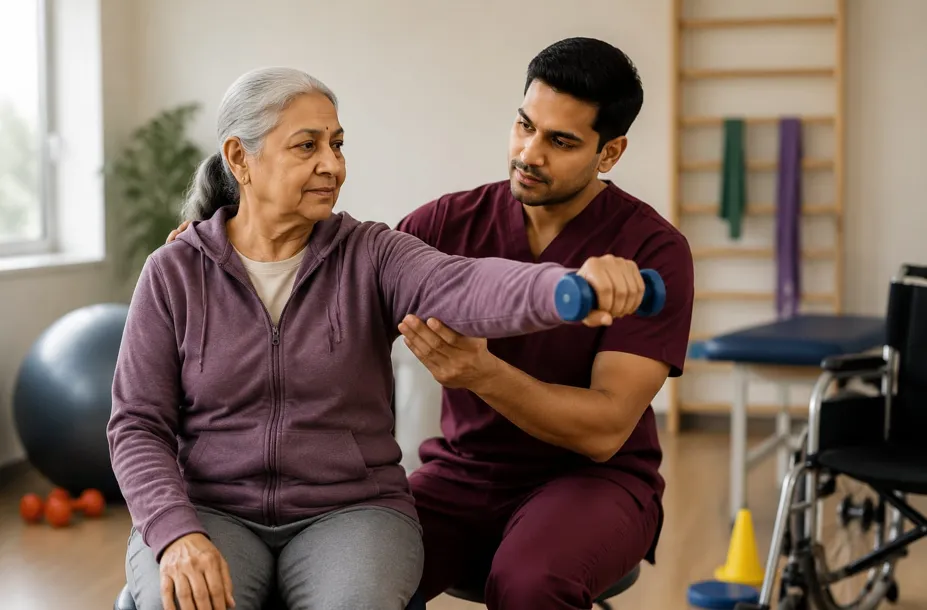

Recovering from a stroke is a journey that extends well beyond emergency treatment and hospital discharge. Many survivors face challenges such as muscle weakness, reduced mobility, chronic pain, balance issues, speech difficulties, and emotional stress. Without proper rehabilitation, these problems can affect independence and quality of life for months or even years.
A specialized Pain and Stroke Rehabilitation Centre in Chennai provides comprehensive care that addresses both neurological recovery and pain management under one roof. By combining advanced rehabilitation techniques with personalized therapy plans, patients receive the support they need to regain function, manage pain, and return to their daily lives with greater confidence.
In this blog, we’ll discuss how expert neurological rehabilitation works, why pain management is an essential part of stroke recovery, and what patients should look for when choosing a rehabilitation centre.
Understanding Neurological Recovery After a Stroke
A stroke occurs when blood flow to a part of the brain is interrupted, depriving brain cells of oxygen and nutrients. Depending on the area affected, patients may experience a wide range of physical, cognitive, and communication difficulties.
Common post-stroke challenges include:
- Weakness or paralysis on one side of the body
- Difficulty walking
- Loss of balance and coordination
- Muscle stiffness
- Reduced hand function
- Speech and language difficulties
- Memory and concentration problems
- Swallowing disorders
- Emotional changes such as anxiety or depression
Neurological recovery focuses on helping patients regain these lost abilities while learning strategies to adapt to any lasting limitations.
Why Comprehensive Rehabilitation Is Important
Recovery from a stroke involves much more than improving movement. Effective rehabilitation addresses every aspect of a patient’s physical and emotional well-being.
A comprehensive rehabilitation program aims to:
- Restore mobility
- Improve muscle strength
- Enhance balance and coordination
- Reduce pain and stiffness
- Improve communication
- Strengthen cognitive abilities
- Promote emotional wellness
- Increase independence in everyday life
By treating the patient as a whole rather than focusing on a single symptom, rehabilitation produces more meaningful and sustainable outcomes.
The Role of Neuroplasticity in Recovery
One of the most remarkable features of the brain is its ability to adapt after injury. This process, known as neuroplasticity, allows healthy areas of the brain to take over some of the functions previously managed by damaged regions.
Neurological rehabilitation encourages neuroplasticity through:
- Repetitive movement practice
- Functional task training
- Balance exercises
- Hand coordination activities
- Speech practice
- Cognitive exercises
The more consistently patients participate in therapy, the greater the opportunity for the brain to build new neural connections.
Why Pain Management Is Essential During Rehabilitation
Pain is a common but often under-recognized complication after a stroke. Persistent discomfort can reduce participation in therapy, limit mobility, and negatively affect emotional health.
Pain may develop due to:
Muscle Weakness
Weak muscles often place additional strain on surrounding joints and tissues.
Spasticity
Increased muscle tone may lead to stiffness, muscle spasms, and restricted movement.
Shoulder Complications
Many stroke survivors experience shoulder pain caused by muscle weakness or poor positioning.
Joint Stiffness
Reduced movement can cause stiffness in the knees, hips, ankles, and wrists.
Nerve-Related Pain
Some patients develop central post-stroke pain due to injury within the brain itself.
Managing pain effectively allows patients to participate more actively in rehabilitation, ultimately improving recovery outcomes.
Modern Techniques Used in Neurological Rehabilitation
Today’s Neurological rehabilitation in Chennai combine traditional therapies with modern techniques to improve patient engagement and functional outcomes.
Depending on the patient’s condition, rehabilitation may incorporate:
- Functional task training
- Balance training systems
- Functional electrical stimulation
- Mirror therapy
- Robotic-assisted rehabilitation
- Virtual reality exercises
- Computer-assisted cognitive training
These approaches complement therapist-guided interventions and provide opportunities for repetitive practice that supports neurological recovery.
The Importance of Family Participation
Recovery does not end when therapy sessions are completed. Families play an essential role in helping patients continue rehabilitation.
Caregivers can support recovery by:
- Encouraging prescribed exercises
- Assisting with safe mobility
- Monitoring medications
- Promoting healthy eating habits
- Creating a safe-environment
- Offering emotional encouragement
- Celebrating recovery milestones
Educated caregivers often contribute to better treatment adherence and greater patient confidence.
Choosing the Right Pain and Stroke Rehabilitation Centre in Chennai
Selecting the right rehabilitation provider can have a lasting impact on recovery. When comparing rehabilitation centres, consider the following:
Multidisciplinary Expertise
Look for centres with rehabilitation physicians, neurologists, physiotherapists, occupational therapists, speech therapists, psychologists, rehabilitation nurses, and nutritionists working together.
Patient-Centered Care
Rehabilitation plans should be individualized and regularly updated according to progress.
Comprehensive Pain Management
The center should focus on reducing pain while improving strength, movement, and independence.
Advanced Rehabilitation Facilities
Modern equipment and evidence-based treatment methods help improve therapy outcomes.
Continuity of Care
Availability of inpatient & outpatient rehabilitation services ensures seamless recovery across different stages.
Lifestyle Habits That Support Neurological Recovery
Recovery continues beyond the rehabilitation centre. Healthy daily habits play a major role in maintaining progress.
Patients should:
- Continue exercise programs
- Eat a nutritious, balanced diet
- Stay physically active as advised
- Monitor blood pressure and blood sugar
- Get adequate sleep
- Take medications consistently
- Attend follow-up appointments
- Avoid smoking and excessive alcohol
These lifestyle measures reduce the risk of recurrent stroke while supporting long-term health.
Why Chennai Is a Preferred Destination for Stroke Rehabilitation
Chennai has become one of India’s leading centres for neurological rehabilitation due to its experienced healthcare professionals, advanced rehabilitation facilities, and integrated care model. Patients benefit from access to multidisciplinary teams, personalized therapy programs, and comprehensive services that address physical recovery, pain management, communication, cognitive function, and emotional well-being.
Whether rehabilitation is delivered through inpatient care, outpatient services, patients in Chennai have access to high-quality care designed to maximize recovery and restore independence.
Conclusion
Recovery after a stroke is a journey that requires expert care, personalized rehabilitation, and continuous support. At Antara, our PMR-led multidisciplinary approach combines advanced therapies, one-on-one care, senior-friendly infrastructure, nutritional support, and a strong focus on patient safety to help individuals regain mobility, independence, and confidence. With compassionate care and comprehensive rehabilitation under one roof, Antara is committed to supporting every patient at each stage of their recovery journey and helping them achieve the best possible quality of life.

Olivia Bennett is a creative content writer at SmartResponces, specializing in witty replies, thoughtful responses, and modern communication tips. She helps readers navigate everyday conversations with ease—whether it’s replying to texts, handling awkward situations, or adding humor to their interactions.
With a passion for digital communication, social trends, and relatable storytelling, Olivia creates content that is both engaging and practical. Her work covers topics like funny comebacks, relationship communication, texting etiquette, and confidence-boosting replies designed for real-life use.
Olivia’s writing style is friendly, conversational, and easy to follow, making her content accessible to a wide audience. She believes that the right words can make any conversation smoother and more memorable, and she aims to help readers express themselves clearly and confidently.




Leave a Comment