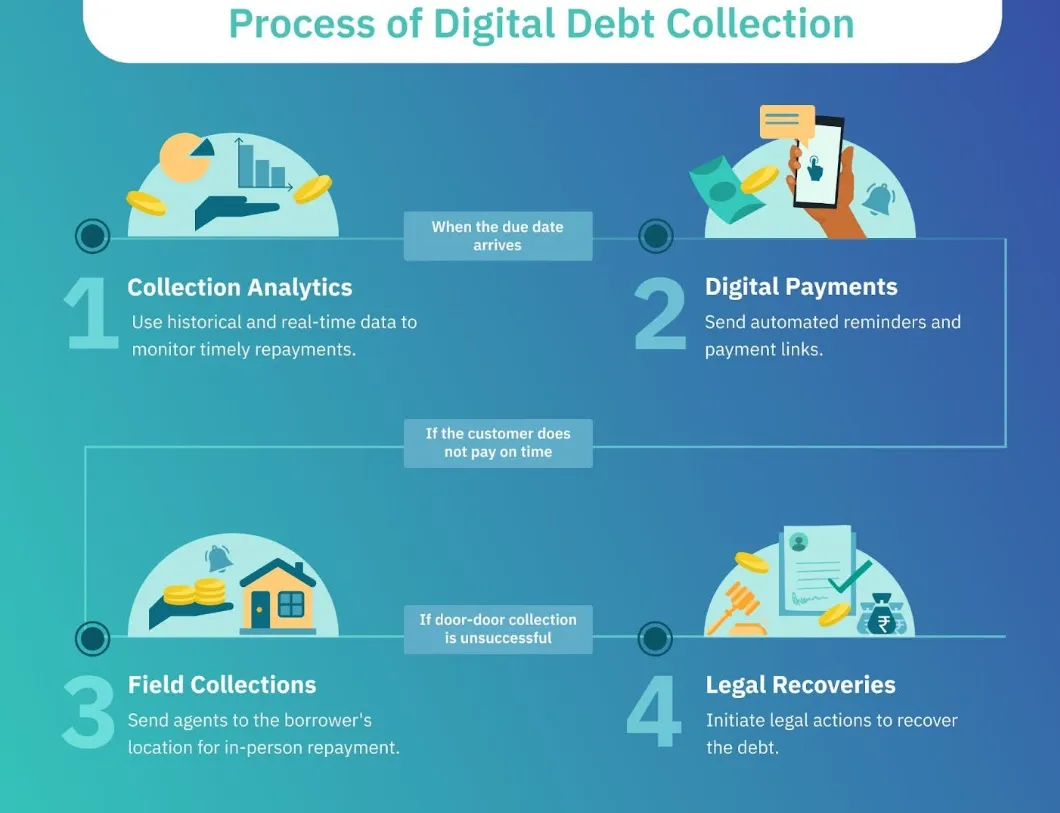

Unpaid money has a funny way of turning a calm business day into a headache. One minute you are sorting invoices, the next you are chasing someone who has gone a bit quiet after promising to pay “by Friday”. Sound familiar? Debt recovery is one of those topics people tend to avoid until they are knee-deep in it. Then it becomes very real, very quickly.
For businesses and individuals across Australia, debt recovery is not just about sending a stern email and hoping for the best. There is a proper process behind it, and knowing the options can save time, stress and a fair bit of guesswork. Whether the debt is small or significant, old or fresh, there are steps worth taking before things snowball.
What debt recovery actually means
Debt recovery is the process of getting money back when someone fails to pay what they owe. That could be a customer, a client, a tenant, a contractor, or even a business partner. Sometimes it is a simple mix-up. Other times, it is avoidance with a side of excuses.
In Australia, the approach usually starts calmly. A reminder. A follow-up. Maybe another reminder with a firmer tone. If that goes nowhere, more formal options come into play. The key is knowing when to keep things informal and when to bring in proper legal steps.
Start with the basics
Before anything gets heavy, the facts need to be clear. How much is owed? Was there a written agreement? Did the service or product get delivered? Were payment terms set out properly? These details matter more than people think. A vague arrangement over a coffee catch-up at a local café in Parramatta might feel friendly at the time, but it is not ideal when someone later claims they never agreed to pay on the 14th of the month.
Good record keeping makes a big difference. Invoices, emails, text messages, signed contracts and payment reminders all help show what happened. If the matter ever ends up in a dispute, tidy paperwork can make life much easier.
Common options for debt recovery
There is no single magic fix, which is a shame, really. Different debts call for different approaches.
1. Friendly reminder
This is usually the first move. Sometimes people forget. Sometimes they are waiting on their own funds to come through. A polite reminder can work surprisingly well, especially if the relationship matters.
2. Formal demand letter
If the reminder goes nowhere, a more serious letter can get attention. This sets out the amount owed, the reason for the debt, and a deadline for payment. It also signals that the matter is no longer being treated casually. A well-worded demand letter often makes people sit up straight.
3. Negotiation or payment plan
Not every debtor is refusing to pay outright. Some are struggling with cash flow. In those cases, a payment plan can be a practical fix. It may not be perfect, but getting the money in stages is usually better than chasing nothing at all.
There is a bit of real-world common sense here. A small business owner in western Sydney, for example, may be dealing with their own rising costs, staff wages and supplier bills. If the debt is recoverable but the timing is messy, a negotiated arrangement can keep things moving without turning the whole thing into a full-blown dispute.
4. Mediation
Mediation is a way for both sides to talk through the issue with help from a neutral third party. It can save time and reduce the heat in the room. Not every matter needs a fight. Sometimes people just need a structured conversation and a clear reminder of what was agreed.
5. Court action
When all else fails, court may be the next step. This is usually considered when the debt is sizeable, the debtor keeps dodging, or the matter has become contested. Court action can be costly and slow, so it is not something to rush into lightly. Still, it can be the right option where the debt is strong and the evidence is solid.
What makes a debt recovery matter stronger
Some debts are easier to recover than others. A signed contract, clear invoices and a paper trail of reminders all help. If the debtor has acknowledged the debt in writing, that can also strengthen the position.
Timing matters too. Waiting too long can make recovery harder. People move, businesses fold, records go missing and memory gets fuzzy. A debt that was simple six months ago can become far more awkward if left to drift.
There is also the question of legal limitation periods. Different kinds of debts can have different time limits for action, so leaving things too long is a risky game. No one enjoys finding out too late that the window for recovery has narrowed.
When legal help makes sense
Some matters are straightforward enough to handle in-house. Others are not. If the debt is disputed, the amount is substantial, or the debtor has become skilled at disappearing from calls and emails, legal advice can help shape the right next move. That is where a firm like Parramatta lawyers may step in and help assess the strength of the claim and the most sensible path forward.
Legal support is also useful when the debt involves complicated contracts, commercial arrangements, or a debtor who is deliberately stalling. A proper strategy can stop the process from turning into an expensive muddle.
What debtors sometimes get wrong
Debtors often think silence buys time. Sometimes it does, but usually only for a while. Ignoring letters or dodging contact rarely makes a debt disappear. It can make the whole matter more serious. A small debt may become a larger problem if extra costs, interest or legal action are added on.
Another common mistake is making promises without a plan. Saying “I will pay next week” sounds nice enough, but if the money is never going to appear, it only drags out the process. Honest communication is far better than a string of broken promises. It saves everyone the faff.
Different states, similar principles
Across Australia, debt recovery follows similar broad principles, though the exact procedures can differ from state to state. In New South Wales, for example, the civil courts and tribunal processes have their own rules and forms. Businesses in Sydney, Parramatta, Newcastle or regional towns all need to pay attention to the correct pathway for the amount in question.
That local angle matters. A sole trader in Brisbane may face different practical realities from a landlord in Penrith or a supplier in Geelong, even if the basic issue is the same. Debts are rarely just numbers on a page. They usually sit inside a real business relationship, which makes the handling of them a bit more delicate than people expect.
Keeping future debt problems smaller
The best debt recovery strategy is the one you barely need to use. Clear contracts, sensible payment terms and prompt invoicing can prevent a lot of grief. It also helps to chase overdue accounts early rather than waiting until the debt feels ancient.
A few habits make life easier:
Set payment terms in writing from the start
Send invoices promptly
Follow up as soon as a payment is overdue
Keep communication polite but firm
Store records in one tidy place
Nothing glamorous there, admittedly. Still, boring systems are often what keep a business out of trouble.
Final thoughts on getting money back
Debt recovery is part patience, part process and part nerve. Some debts are settled quickly once the right pressure is applied. Others need a longer, more formal approach. The main thing is not to sit on the issue and hope it sorts itself out. That rarely works, and it usually leaves everyone more annoyed than before.
For anyone dealing with unpaid money in Australia, understanding the options is the real starting point. From a gentle reminder to court proceedings, each step has its place. The trick is knowing which one fits the situation, and when to stop being nice and start being practical.

Olivia Bennett is a creative content writer at SmartResponces, specializing in witty replies, thoughtful responses, and modern communication tips. She helps readers navigate everyday conversations with ease—whether it’s replying to texts, handling awkward situations, or adding humor to their interactions.
With a passion for digital communication, social trends, and relatable storytelling, Olivia creates content that is both engaging and practical. Her work covers topics like funny comebacks, relationship communication, texting etiquette, and confidence-boosting replies designed for real-life use.
Olivia’s writing style is friendly, conversational, and easy to follow, making her content accessible to a wide audience. She believes that the right words can make any conversation smoother and more memorable, and she aims to help readers express themselves clearly and confidently.






Leave a Comment