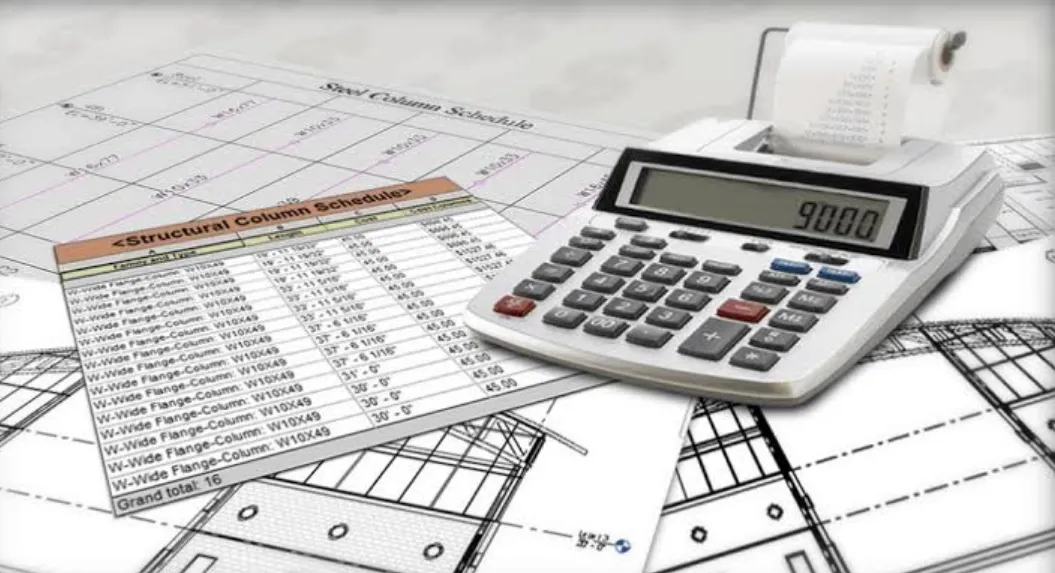

The first principle of cost estimating is simple: price a project from the ground up. You cost it resource by resource, not by copying numbers from a past job. An estimator lists every material, labor hour, machine, and subcontractor cost needed for each task. Then they add these costs together to get the total price.
This method is called first-principles estimating, or bottom-up estimating. Construction professionals see it as the most accurate way to price a build.
The First Principle of Cost Estimating, Defined
First-principles estimating breaks a project into small, measurable parts. It does not use a flat rate per square foot. Instead, an estimator prices concrete, framing, wiring, and finishes one line at a time. Each line gets its own quantity, its own unit rate, and its own labor rate.
This method answers one simple question: what does the job need, and what does that cost today? A square-foot average cannot answer that question. It hides the real details behind one blended number.
3 Estimating Methods Compared
Estimators pick from 3 main pricing methods. These are analogous estimating, parametric estimating, and first-principles estimating.
- Analogous estimating: Uses the total cost of a similar past job and adjusts it by a rough percentage.
- Parametric estimating: Uses a cost-per-unit figure, such as cost per square foot, across the whole project.
- First-principles estimating: Builds the price from raw quantities, current material rates, and real labor rates.
The first two methods work fast. But they carry more risk on a competitive bid. First-principles estimating takes longer to build. Still, it gives a contractor a number they can trust.
Direct Costs vs Indirect Costs in First-Principles Pricing
First-principles estimating sorts every dollar into 1 of 2 groups before it reaches the final price.
- Direct costs: Cover the materials, labor, machines, and subcontractor fees tied to one task. Concrete for a footing is one example. Wages for a framing crew are another.
- Indirect costs: Cover site overhead, insurance, permits, and supervision. These costs do not tie to one line item, but they still add to the job.
Splitting these 2 groups early stops overhead costs from hiding inside a material rate. This keeps the final margin clear and easy to explain during tendering.
6 Steps of First-Principles Cost Estimating
An estimator follows 6 steps to build a first-principles estimate from a blank sheet to a finished bid.
Step 1: Study the Drawings
Review plans, specifications, and site conditions before pricing a single item. Site access, soil type, and staging space all shape labor productivity later in the process, so this review sets the tone for everything that follows.
Step 2: Build a Work Breakdown Structure
Split the project into trades and tasks, such as excavation, framing, and MEP rough-in. A clear work breakdown structure (WBS) stops items from being priced twice, and it stops other items from slipping through untouched.
Step 3: Take Off the Quantities
Measure the exact volume of concrete, length of pipe, and count of fixtures the drawings call for. Digital takeoff software speeds this step up, but the accuracy still depends on how carefully the estimator reads each sheet.
Step 4: Price the Resources
Attach current material, labor, plant, and subcontractor rates to each quantity. Local vendor quotes beat national averages here, since two zip codes 50 miles apart can carry very different material and labor rates.
Step 5: Apply Productivity Rates
Calculate the labor hours each task needs, based on realistic crew output. A crew’s actual output on similar past jobs gives a far truer figure than a generic industry average pulled from a table.
Step 6: Add Overhead and Margin
Layer in indirect costs and profit once the direct cost picture is locked. This order matters. Pricing overhead before the direct costs are settled tends to produce a bid that is either too thin to win or too fat to be competitive.
Skipping any one of these 6 steps turns a first-principles estimate back into a guess.
How Accurate Is a First-Principles Estimate?
A well-built first-principles estimate typically lands within 5% to 10% of the final construction cost. A parametric or analogous estimate can swing 15% to 25% instead.
That gap grows on complex commercial jobs, where a single missed trade can shift the whole budget. The tighter the takeoff and the more current the pricing data, the closer the final number sits to the original bid.
5 Benefits of Estimating From First Principles
First-principles estimating delivers 5 clear advantages over faster, less detailed methods.
- Granular cost visibility: Every material and labor hour gets priced on its own merit, not on a blended average.
- Protected profit margins: The estimator knows exactly where the money goes before submitting a bid.
- Stronger cost control: The team gets a detailed budget to track actual spend against once construction starts.
- A stronger competitive position: A defensible number lets a firm bid on larger, more complex jobs with confidence.
- Fewer change orders and disputes: The original scope was measured, not estimated by feel.
Where First-Principles Estimating Works Best
First-principles pricing suits any project with a real set of drawings, including office buildings, warehouses, and hotels, along with retail centers, mixed-use developments, and public buildings such as schools and clinics.
Complex builds with many trades running side by side benefit the most. A bottom-up estimate exposes clashes and overlaps before they hit the site.
Commercial Projects Carry the Highest Stakes
Commercial jobs often run 6 or more trades at once, from structural concrete to MEP to the building envelope. A missed quantity on one trade can throw off the whole schedule.
First-principles pricing catches that risk early, while the design can still absorb a change.
3 Mistakes That Undermine a First-Principles Estimate
Even a detailed process fails if an estimator skips the fundamentals.
- Outdated material prices: Using stale figures instead of current, location-based rates.
- Generic productivity figures: Applying a standard labor rate instead of one suited to the actual crew and site conditions.
- Incomplete drawings: Pricing a scope without flagging the gaps to the client first.
Correct these 3 mistakes early, and the estimate holds up through tendering and construction alike.
Who Relies on First-Principles Estimating
4 groups lean on first-principles numbers to make decisions that carry real financial weight.
- General contractors: Use the detailed breakdown to bid competitively without underpricing a job.
- Developers: Use the report to set a realistic budget before land or design costs lock in.
- Lenders: Use the CSI-coded cost summary to support a loan decision with clear, defensible figures.
- Subcontractors: Use their trade-specific line items to price their own scope with confidence during tendering.
Each group reads the same estimate for a different reason. That is why the report has to stay detailed enough to serve all 4 at once.
First-Principles Estimating and Software Tools
Manual first-principles estimating works, but it eats up hours on a large commercial job. Dedicated takeoff and estimating software speeds up quantity extraction, applies saved rate libraries automatically, and flags items the estimator might otherwise miss on a dense sheet.
The software never replaces judgment. It only removes the repetitive math, so the estimator can spend more time checking the scope and less time re-adding columns.
How 24/7 Estimation Applies This Principle
24/7 Estimation builds every estimate on first-principles pricing. Estimators measure quantities directly from the drawings, then price labor and materials against live RSMeans rates for the exact zip code of the project. Nothing gets pulled from a generic national average.
24/7 Estimation carries this approach through its commercial construction estimating services, where a single estimator owns the takeoff from the first plan review to the final report. Clients receive a full quantity list, a bill of quantities, marked-up drawings, and an editable cost summary, all built from the ground up rather than copied from a past job.
Final Words
The first principle of cost estimating stays simple: price what the job actually needs, not what a past job happened to cost. Bottom-up pricing takes more effort upfront, but it protects budgets, strengthens bids, and keeps disputes off the job site.
Contractors, developers, and lenders who rely on this method make fewer costly assumptions. They also win more jobs worth having.

Olivia Bennett is a creative content writer at SmartResponces, specializing in witty replies, thoughtful responses, and modern communication tips. She helps readers navigate everyday conversations with ease—whether it’s replying to texts, handling awkward situations, or adding humor to their interactions.
With a passion for digital communication, social trends, and relatable storytelling, Olivia creates content that is both engaging and practical. Her work covers topics like funny comebacks, relationship communication, texting etiquette, and confidence-boosting replies designed for real-life use.
Olivia’s writing style is friendly, conversational, and easy to follow, making her content accessible to a wide audience. She believes that the right words can make any conversation smoother and more memorable, and she aims to help readers express themselves clearly and confidently.




Leave a Comment