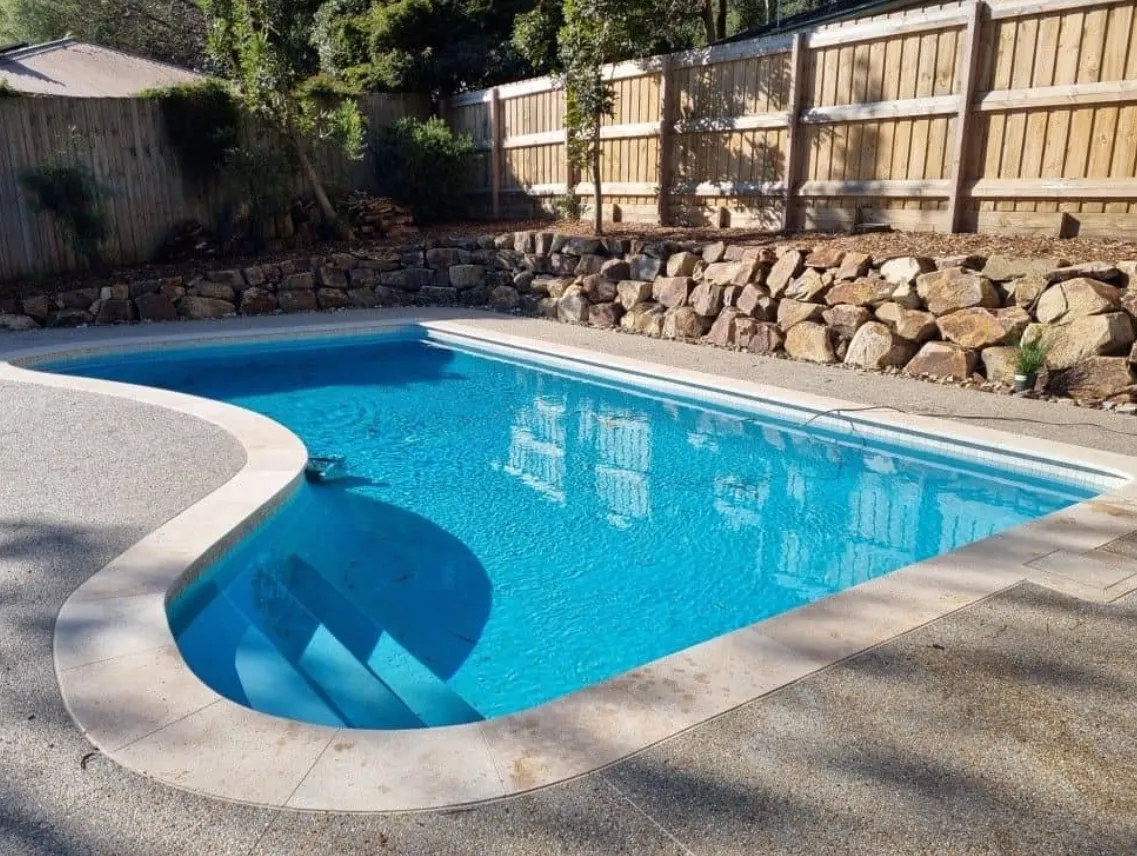

Melbourne pools face harder conditions than most Australians realise. The city’s four-seasons-in-one-day climate swings from freezing nights to 40-plus degree summers within weeks. That thermal movement does real damage to the wrong tile. Pool ownership in Melbourne has grown 18% since 2020, driven by the lockdown renovation wave, according to Swim Australia data. Getting your pool tiles Melbourne selection right is not just about looks. It is about choosing a product that survives the conditions and still looks good in 15 years.
Why Does Melbourne’s Climate Make Tile Selection Harder?
Frost is the real problem. Melbourne records an average of 30 frost days per year in outer suburban and hillside areas. Water trapped in a porous tile will freeze and expand. That causes spalling and cracking within a few seasons.
The freeze-thaw cycle is specifically what tile frost ratings are designed for. Look for tiles with a water absorption rate below 0.5%. That is the threshold for frost-resistant certification under AS 4459.4. Most imported ceramic tiles do not meet this. Most quality porcelain tiles do.
UV exposure compounds the issue. Melbourne sits at 37 degrees south latitude and receives strong UV radiation despite its reputation for overcast weather. Tile glazes that are not UV-stable will fade and chalk. Epoxy grout resists UV degradation far better than cement-based alternatives.
What Tile Types Perform Best in Melbourne Pools?
Porcelain is the clear winner for Melbourne conditions. Dense body porcelain with a water absorption rate under 0.1% handles the freeze-thaw cycle without issue. It holds colour under UV and requires minimal maintenance beyond regular brush cleaning.
Large format porcelain tiles in the 600x300mm range are popular right now in Melbourne pool designs. They reduce grout lines, which means less area for mineral deposits to accumulate. They also give the pool a cleaner, more architectural look.
Glass mosaic remains the premium choice for feature applications. Waterline strips, feature walls, and spa surrounds. Full pool linings in glass mosaic are stunning but expensive and require skilled installation. In Melbourne’s climate, ensure the adhesive used is rated for submerged and frost-exposed applications.
How Do You Match Pool Tiles to Melbourne Outdoor Design Trends?
Melbourne outdoor design skews darker than Queensland or NSW. Charcoal, slate grey, and deep navy pool tiles work well with the city’s preference for sophisticated, minimal outdoor spaces.
Textured stone-look porcelain is gaining traction in Melbourne specifically. It reads as natural slate or bluestone but with the durability of manufactured porcelain. It connects visually to Melbourne’s bluestone paving heritage, which is a smart design choice.
White and pale aqua pools are still popular in Melbourne’s eastern suburbs where the aesthetic leans more coastal. The contrast between a light pool and dark surrounding paving is striking and holds up well across seasons. The water reads brighter in Melbourne’s lower light conditions during winter.
What Should You Ask Your Tile Supplier Before Buying?
Ask for the technical data sheet on any tile you are considering. Not the marketing brochure. The data sheet. It should list water absorption rate, slip resistance rating, frost rating, and recommended adhesive systems. If the supplier cannot provide this, find a different supplier.
Check that the tile has been tested under AS/NZS standards. Some imported tiles come with European CE certifications that do not fully correspond to Australian standards. Your pool builder should know the difference.
Ask about the grout specifically. Many suppliers sell tiles and leave grout selection to the installer. That is a mistake. The grout system should be specified with the tile. Epoxy grout is non-negotiable for waterline and fully submerged areas in a Melbourne climate.
How Do You Calculate How Many Pool Tiles You Need?
Calculate the full wetted surface area of your pool. Length times width gives you the floor. Add the four walls. Wall area equals perimeter times depth. Add 10% for cuts and waste on straight-line pools. Add 15 to 20% for irregularly shaped pools or mosaic patterns.
Waterline tile runs the full perimeter at the fill level. Usually a 100mm to 200mm strip. Measure your pool perimeter and multiply by the tile height. This is a separate order from your main pool tile because it often uses a different product.
Order all tiles from the same production batch. Tile colour can vary between batches even from the same manufacturer. If you run short and reorder from a different batch, the colour difference will be visible. This is one of the most common and avoidable problems in pool tiling projects.

Olivia Bennett is a creative content writer at SmartResponces, specializing in witty replies, thoughtful responses, and modern communication tips. She helps readers navigate everyday conversations with ease—whether it’s replying to texts, handling awkward situations, or adding humor to their interactions.
With a passion for digital communication, social trends, and relatable storytelling, Olivia creates content that is both engaging and practical. Her work covers topics like funny comebacks, relationship communication, texting etiquette, and confidence-boosting replies designed for real-life use.
Olivia’s writing style is friendly, conversational, and easy to follow, making her content accessible to a wide audience. She believes that the right words can make any conversation smoother and more memorable, and she aims to help readers express themselves clearly and confidently.






Leave a Comment