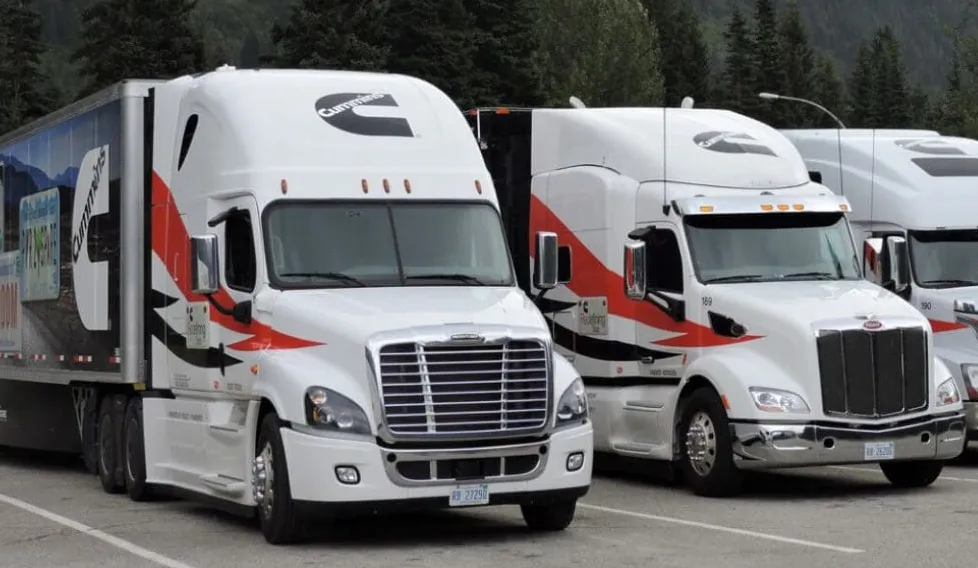

Buying a heavy-duty truck is a serious financial commitment. You are not just buying a vehicle. You are buying uptime, torque output, and years of reliability on some of the harshest roads in the country. That is why so many fleet managers and owner-operators turn to Cummins engine trucks for sale when they need performance they can count on. Cummins powers over 600,000 trucks globally and holds a dominant share of the North American Class 8 truck market. Before you sign anything, here is what you need to know.
What Makes Cummins Different From Other Engine Brands?
Cummins is not just popular. It is purpose-built for punishment.
The X15 Performance Series, one of Cummins’ flagship engines, delivers up to 605 horsepower and 2,050 lb-ft of torque. That is serious pulling power for highway hauls and loaded freight routes. Cummins engines also meet EPA and CARB emissions standards without sacrificing performance, which matters a lot if you operate across multiple states.
Fuel economy is another edge. Cummins has consistently ranked at the top of fleet fuel economy studies. Independent testing shows the X15 can achieve up to 8.5 miles per gallon under optimal highway conditions. For a truck doing 120,000 miles a year, that difference compounds fast.
Rebuild intervals on Cummins engines are typically set at 1,000,000 miles with proper maintenance. That is not marketing. That is documented service history from fleets across North America and Australia.
What Engine Specs Should You Actually Compare?
Do not get distracted by horsepower alone. Torque matters more for real-world hauling.
Peak torque and the RPM range it is delivered at will tell you more about a truck’s pulling ability than peak horsepower. Look for engines that produce high torque at low RPM. This means less gear shifting, less driver fatigue, and better fuel efficiency on grades.
Also check the engine’s compression ratio and aftertreatment system. Diesel Particulate Filters and Selective Catalytic Reduction systems add weight and maintenance cost. Cummins integrates these cleanly, but you should still ask about service intervals and fluid consumption for the DEF system.
Thermal management matters too. Trucks running in hot Australian climates need cooling systems designed for high ambient temperatures. Confirm coolant capacity, oil cooler design, and turbocharger heat dissipation specs before committing.
How Do You Evaluate a Used Cummins Truck?
Used trucks can be great value. They can also be a money pit. The difference is in what you check.
Pull a full engine report from the ECM. Cummins engines log fault codes, idle time, engine load profiles, and hard brake events. This data tells you exactly how the engine was treated. High idle percentage often means the truck sat in traffic or was misused as a power source for auxiliary equipment.
Check oil analysis records if available. Elevated iron particles in oil samples signal bearing wear. Elevated aluminum points to piston or cylinder head issues. These tests cost about $30 per sample and can save you tens of thousands in surprise repairs.
Inspect the turbocharger for shaft play and the intercooler for leaks. Check the coolant for signs of combustion gases, which indicate a blown head gasket. A 20-minute inspection can tell you more than a test drive.
What Is the Real Cost of Ownership Over Five Years?
The sticker price is just the start. Total cost of ownership is where the real numbers live.
A Cummins-powered Class 8 truck typically costs between $150,000 and $220,000 new in the Australian market. Fuel is your biggest ongoing cost, often accounting for 35 to 40 percent of total operating costs. At current diesel prices, the difference between 7.5 and 8.5 miles per gallon across a large fleet is millions of dollars annually.
Planned maintenance on Cummins engines averages $0.08 to $0.12 per mile over the first 500,000 miles. This includes oil changes, filter replacements, and periodic injector service. Unplanned downtime costs far more. One day off the road can cost an owner-operator $1,500 to $3,000 in lost revenue.
Extended warranty packages from authorised dealers cover major components for up to 500,000 miles. If you are buying for a long-haul operation, that coverage is worth pricing into your decision.
Which Cummins Model Is Right for Your Operation?
The right engine depends entirely on your application. There is no universal answer.
For regional distribution and urban delivery, the Cummins B6.7 offers a lighter footprint with up to 325 horsepower. It is efficient, compact, and well-suited for stop-start duty cycles. For long-haul freight across interstate routes, the X15 is the benchmark. Its performance envelope handles mountain grades and high gross vehicle weights without compromise.
If your fleet runs LNG or CNG, the Cummins X15N natural gas engine delivers near-diesel performance with lower fuel costs in markets where natural gas infrastructure is available. Fleets using this engine have reported fuel cost reductions of up to 40 percent compared to diesel in favourable markets.
Match the engine to your load profile, route characteristics, and maintenance infrastructure. A truck with the wrong spec costs you money every single day.

Olivia Bennett is a creative content writer at SmartResponces, specializing in witty replies, thoughtful responses, and modern communication tips. She helps readers navigate everyday conversations with ease—whether it’s replying to texts, handling awkward situations, or adding humor to their interactions.
With a passion for digital communication, social trends, and relatable storytelling, Olivia creates content that is both engaging and practical. Her work covers topics like funny comebacks, relationship communication, texting etiquette, and confidence-boosting replies designed for real-life use.
Olivia’s writing style is friendly, conversational, and easy to follow, making her content accessible to a wide audience. She believes that the right words can make any conversation smoother and more memorable, and she aims to help readers express themselves clearly and confidently.






Leave a Comment