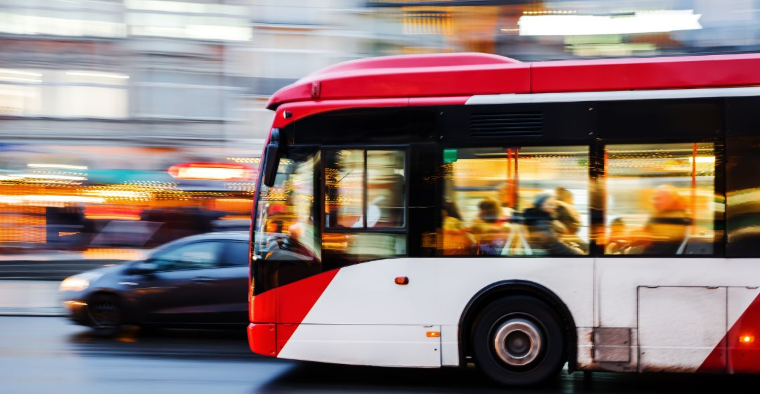

Living near public transport in a city like Kuala Lumpur can quietly change the whole rhythm of daily life. Not in a dramatic, movie-scene sort of way, but in the small, useful moments that add up. Less time stuck in traffic. Fewer parking headaches. A bit more breathing space after work. That kind of thing. For many Malaysians, the real luxury is not a bigger kitchen or a prettier lobby. It is stepping out of the front gate and knowing a bus stop, MRT station, or LRT line is close enough to make life easier. In urban areas where traffic can turn a ten-minute trip into a mini ordeal, that convenience starts to look very attractive. There is also the money side. Petrol, tolls, parking fees, ride-hailing fares, all of it piles up faster than people expect. Living near public transport can soften that monthly sting. For someone working in the city centre, or studying near a rail line, the savings may be substantial over time.
The Daily Reality of Urban Living
A home near public transport is not just about commuting to work. It changes how people move through the city. Grocery runs become easier. Weekend plans feel less like a logistical puzzle. Even a simple trip to meet friends in Bangsar, Petaling Jaya, or Cheras starts to feel less tiring when there is a reliable rail option nearby. That matters in Malaysia, where the heat alone can make a five-minute walk feel like a personal challenge. Add in rain, peak-hour traffic, and the occasional driver who seems to believe indicators are optional, and transport access becomes more than a nice extra. It starts to feel like common sense. Families tend to appreciate this too. Parents with school-going children often like the idea of shorter, more predictable journeys. Young professionals may value the chance to avoid driving after a long day. Retirees, too, often prefer locations where they can get around without depending on a car every single time.
What to Look For Before Signing a Lease
A property may be advertised as “near public transport”, but that phrase can be a bit slippery. One person’s “near” is another person’s “a bit of a trek, actually”. So it pays to look carefully.
Walking distance matters
A station nearby sounds great on paper, but the route there matters just as much. Is the pavement safe and shaded? Are there sheltered walkways? Can you get there without dodging speeding cars or puddles after rain? In Malaysian cities, those details make a real difference.
Service frequency counts
A bus stop nearby is handy, but if the bus comes once in a blue moon, the convenience fades quickly. Check the schedule, route reliability, and whether the service runs late enough for your working hours. For rail lines, consider the interval between trains during peak and off-peak times.
Noise and crowd levels
Living near a station can mean more foot traffic, more horns, and sometimes a bit of late-night noise. Some people hardly notice. Others find it frustrating after a few weeks. A visit at different times of day helps reveal the true atmosphere.
Safety and lighting
If you are coming home after dark, the area around the transport hub should feel reasonably safe and well lit. This matters especially for those living alone, students, or anyone with a late commute.
Who Benefits Most from This Kind of Location?
Not every home needs to be beside a train line, but certain lifestyles fit the setup better. Young professionals often enjoy the speed and flexibility. A rail-linked home makes it easier to work in the city without spending half the day in traffic. Students may also find the arrangement practical, particularly if their campus is on or near a public transport route. Families who want one less car in the household may see value too. In some Malaysian homes, a second vehicle becomes less necessary if school, work, and errands can be handled through a mix of train and bus access. That can take a lot of pressure off the budget. Then there are people who simply dislike driving. And honestly, fair enough. Kuala Lumpur traffic can test the patience of a saint.
The Trade-Offs Nobody Talks About Enough
Convenience usually comes with a catch. It is rarely huge, but it exists. Homes near transport hubs may cost a little more. Demand is often stronger, which can nudge rent upwards. Still, many renters feel the trade-off is worth it when they factor in petrol, parking, and time saved. Space can be another consideration. Some properties near central transport corridors are compact, especially in denser parts of the city. If you want a larger unit, you may need to compromise on location or budget. Then there is the urban pace. Areas close to train stations and bus interchanges can feel lively, but they can also feel busy in a way that never quite switches off. For some, that energy is part of the appeal. For others, a quieter neighbourhood in the suburbs feels more appealing after all.
Why Location Can Shape Your Whole Routine
A rental home is more than walls and fixtures. It sets the tone for your mornings, evenings, and weekend plans. If public transport is nearby, your daily routine often becomes smoother without much effort. Think about a typical weekday. You leave home a little later because you are not hunting for parking. You spend less on fuel. You avoid that slow crawl through city traffic that seems to age you by three years in one afternoon. Small wins, but they matter. For renters comparing different options, areas with rail access often stand out because they offer flexibility. If your job changes, or if you need to move between districts, good transport links keep the city open to you. That kind of freedom is easy to underestimate until you no longer have it. Some neighbourhoods around Kuala Lumpur, Petaling Jaya, and Klang Valley areas have built their appeal around this exact idea. A place such as OUG Parklane for rent may catch attention for this reason, especially for renters who want practical access without being too far from the city buzz.
How to Decide If a Transport-Friendly Home Fits You
A good question to ask is this: how often will you actually use public transport? If the answer is “most weekdays” or “quite often”, then living nearby makes strong sense. If you only use it once or twice a month, the premium may be harder to justify. It also helps to match the property to your habits. Someone working in central KL may value MRT or LRT access above all else. A person whose routine stays within the same district might prefer bus routes and short rides to nearby shops. A family may want a place that keeps schools, clinics, and supermarkets within easy reach as well. The best rental choice usually feels balanced. Not perfect, because perfect homes tend to live in brochures, but practical enough to make everyday life less of a faff.
Small Checks That Save Big Regret Later
Before making a final decision, take time to test the area properly.
Visit during rush hour
A neighbourhood can feel completely different at 8 am than it does at 2 pm. Rush hour shows how crowded the station gets and whether the surrounding roads become a mess.
Walk the route yourself
Maps are helpful, but your feet will tell you more. Notice pavements, shade, crossings, and whether the path feels pleasant enough to repeat every day.
Ask about backup transport
If the main line is delayed or disrupted, how easy is it to grab a bus or ride-hailing service? In Malaysian cities, a bit of backup is always wise.
Final Thoughts for Urban Renters
Living close to public transport in Malaysia is less about trendiness and more about making life easier. That is the real selling point. Less stress, better access, and a daily routine that feels a touch more manageable. For some renters, it is the difference between dreading Mondays and tolerating them with mild annoyance. Which, frankly, is a win. If you are weighing up your next home, do not just look at the pool, the gym, or the pretty photos. Check how the place connects you to the city. In an urban setting, that connection can be worth a great deal more than an extra bit of floor space.

Olivia Bennett is a creative content writer at SmartResponces, specializing in witty replies, thoughtful responses, and modern communication tips. She helps readers navigate everyday conversations with ease—whether it’s replying to texts, handling awkward situations, or adding humor to their interactions.
With a passion for digital communication, social trends, and relatable storytelling, Olivia creates content that is both engaging and practical. Her work covers topics like funny comebacks, relationship communication, texting etiquette, and confidence-boosting replies designed for real-life use.
Olivia’s writing style is friendly, conversational, and easy to follow, making her content accessible to a wide audience. She believes that the right words can make any conversation smoother and more memorable, and she aims to help readers express themselves clearly and confidently.






Leave a Comment