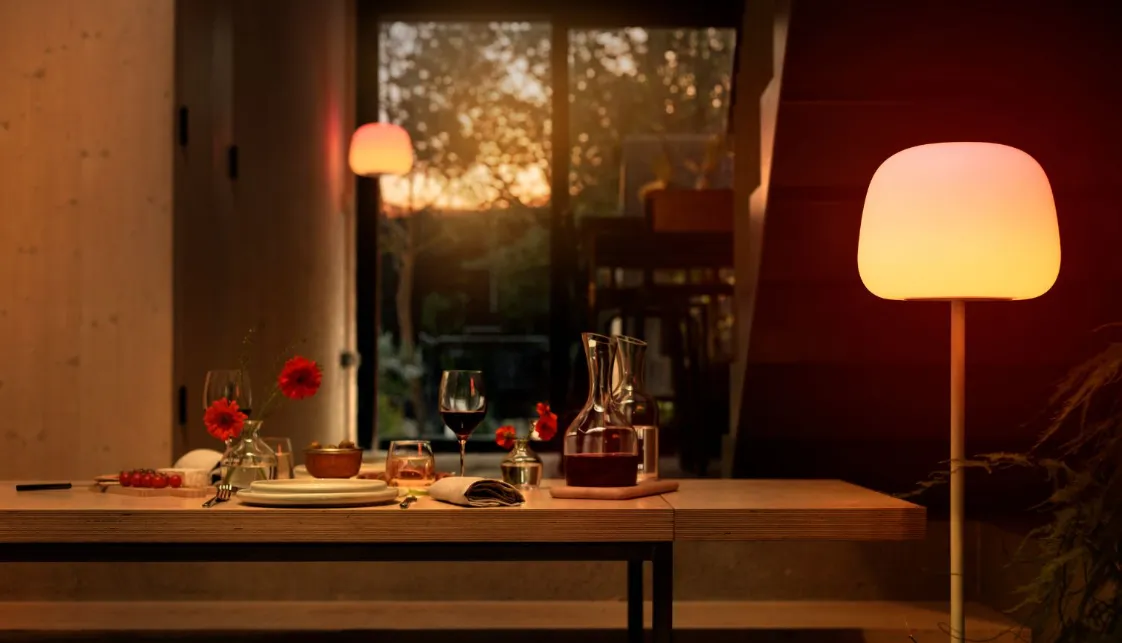

Most people light their homes wrong. One ceiling light per room is not a lighting plan. It’s a placeholder. Lighting is the single most impactful element in interior design and it’s also the most ignored. When you buy floor lamps with intention, you stop relying on overhead glare and start building light layers that change how a room feels. Research published by the Lighting Research Center shows that layered lighting improves perceived comfort in residential spaces by up to 42% compared to single-source lighting.
Why Does Overhead Lighting Fail in Living Spaces?
Ceiling lights cast light downward and outward uniformly. That sounds efficient. It’s actually hostile. Uniform lighting flattens a room. It removes shadow and depth, which are what make spaces feel interesting. It also forces your eyes to work harder because there’s no visual contrast. Designers call this the hospital effect. Every corner is equally bright. Nothing feels warm or inviting. Floor lamps break this by introducing light at a human scale, from the side rather than above.
What Is Lighting Layering and Why Does It Matter?
Lighting layering means combining three types: ambient, task, and accent. Ambient provides overall illumination. Task lighting targets where you work. Accent lighting draws attention to objects or architecture. A floor lamp can serve all three roles depending on its design. An uplight floor lamp provides ambient fill. An arc lamp over a reading chair is task lighting. A column lamp with a narrow shade creates accent light. One lamp. Three possible jobs. That’s why floor lamps are the most versatile lighting tool in residential design.
How Does Colour Temperature Change a Room’s Mood?
Colour temperature is measured in Kelvin. Below 3000K is warm, like candlelight. 4000K is neutral. Above 5000K is cool and clinical. The wrong temperature undoes good furniture choices. A warm timber and linen room lit at 5000K looks sterile. The same room at 2700K looks like a film set. Research from the American Lighting Association shows 73% of homeowners report feeling more relaxed in rooms lit below 3000K in the evening. Warm bulbs in living rooms aren’t a style preference. They’re a physiological response.
Does the Shape of a Floor Lamp Change Its Function?
Completely. A tripod base with an open shade throws light in all directions and fills a corner. An arc lamp swings light over a sofa or chair and works as directed task light. A column or cylinder lamp with a closed top and bottom creates a glowing pillar of warm ambient light. Choosing a lamp shape without understanding its light distribution is like choosing a speaker without knowing its frequency range. You might get lucky. You probably won’t.
Where Should Floor Lamps Actually Go in a Room?
Dark corners first. Every living room has a dead corner where light doesn’t reach. A floor lamp in that corner lifts the whole room by eliminating the visual weight of darkness. Second placement: beside a reading chair, at a height where the bulb sits at eye level when you’re seated, roughly 120cm from the floor to the bottom of the shade. Third: flanking a sofa creates symmetry and frames the seating zone. These aren’t decorative positions. They’re functional ones.
Can a Floor Lamp Replace a Ceiling Light Entirely?
In living rooms and bedrooms, yes. In kitchens and bathrooms, no. Living spaces don’t require task lighting at ceiling level. A combination of two or three floor lamps plus table lamps can provide more nuanced, comfortable illumination than any ceiling fixture. Interior designers working on high-end residential projects increasingly spec ceiling lights as architectural elements only, while all actual illumination comes from floor and table lamps. The ceiling light becomes the backup, not the source.

Olivia Bennett is a creative content writer at SmartResponces, specializing in witty replies, thoughtful responses, and modern communication tips. She helps readers navigate everyday conversations with ease—whether it’s replying to texts, handling awkward situations, or adding humor to their interactions.
With a passion for digital communication, social trends, and relatable storytelling, Olivia creates content that is both engaging and practical. Her work covers topics like funny comebacks, relationship communication, texting etiquette, and confidence-boosting replies designed for real-life use.
Olivia’s writing style is friendly, conversational, and easy to follow, making her content accessible to a wide audience. She believes that the right words can make any conversation smoother and more memorable, and she aims to help readers express themselves clearly and confidently.






Leave a Comment