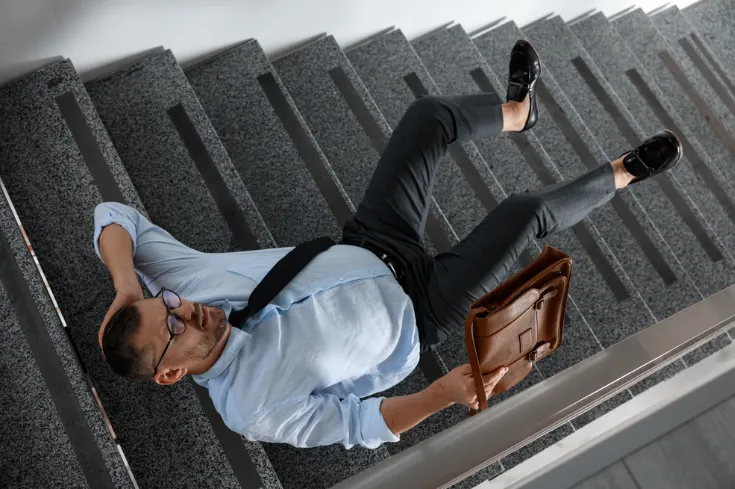

A slip on a floor, a stumble on a walkway, or a sudden fall down a set of steps often looks like a simple accident from the outside. Yet the real explanation usually sits in small details that are easy to miss at first glance. A surface that seemed normal, a light that felt bright enough, or a path that looked clear can all hide conditions that change everything in seconds.
When reviewing places and causes for slips and falls, patterns begin to appear in everyday environments where these incidents tend to happen more often. Grocery aisles, parking areas, entryways, and public walkways often hold subtle risks that are not always noticed until after a fall has already occurred. This is where attention to detail becomes important, because each element around the incident helps explain how it unfolded and why it happened in that exact moment.
The Condition of the Walking Surface Matters
The ground beneath a person’s feet is often the first and most important detail to examine. A walking surface that appears safe may have hidden risks that affect balance and movement without warning. Even a small change in texture or moisture can alter how a person reacts while walking.
Some common surface conditions include wet floors that are not clearly marked, uneven pavement that shifts under pressure, loose tiles that create instability, and worn flooring that reduces grip. Outdoor surfaces may also become hazardous due to rain, debris, or natural wear over time.
Each of these conditions can contribute to a loss of stability. What matters most is not only the presence of a hazard but also how it interacts with foot movement at the exact moment of contact. A surface may look harmless but still play a direct role in how a fall begins.
Visibility Can Influence What Happens
Visibility plays a major role in how people move through their environment. When a hazard is not easy to see, the chance of reacting to it in time becomes much lower. Lighting conditions, shadows, and visual distractions all influence what the eye can detect during normal movement.
Poor lighting in stairwells, dim corners in buildings, or glare from reflective surfaces can reduce clarity. Obstructed pathways caused by displays, furniture, or structural design may also prevent a clear view of walking areas. Even minor distractions can shift attention away from what is directly ahead.
These visibility challenges often become part of understanding how an accident developed. A person may not notice a hazard simply because it was not clearly visible in the moment it mattered most.
The Surrounding Environment Often Provides Important Clues
The area around a fall often holds important information that explains how the situation developed. Environmental factors can shape both the presence of hazards and the way people respond to them.
Weather conditions may introduce moisture or debris into walking areas. High foot traffic may wear down flooring or increase clutter. Maintenance schedules may leave temporary hazards in place during cleaning or repairs. The design of a space may also influence how easily people can move through it.
Under slip and fall injury law, these environmental details are often examined closely to understand whether conditions were temporary, ongoing, or the result of long-term maintenance issues. The surrounding environment helps connect individual details into a broader explanation of what occurred.
Physical Evidence Helps Reconstruct the Incident
Key Evidence Commonly Reviewed
Physical evidence often provides the most direct information about how a slip and fall happened. Unlike memory or assumptions, evidence remains at the scene and can be reviewed afterward.
Common forms of evidence include photographs of the area, surveillance footage, witness observations, incident reports, and the condition of the surface after the fall. Each piece contributes something different. Photographs may capture the exact state of the environment. Video footage may show movement patterns before the fall. Witness accounts may add details that were not recorded visually.
In some cases, a slip and fall injury claim may rely heavily on how well this evidence is preserved and interpreted. Together, these elements help rebuild the sequence of events in a more structured way.
Timing Can Be an Important Factor
Timing often plays a quiet but important role in explaining slip and fall incidents. Conditions in a location can change throughout the day, sometimes in ways that are not immediately noticeable.
Cleaning activities may leave surfaces temporarily wet. Weather changes can introduce sudden moisture or debris. High traffic hours may increase wear on the flooring or reduce visibility in crowded areas. Even short time gaps between maintenance checks can allow hazards to develop.
Understanding when conditions changed can help explain why a hazard existed at the exact moment of the fall. Timing often connects environmental conditions with human movement in a way that helps clarify the sequence of events.
Why One Detail Rarely Tells the Whole Story
Slip and fall incidents rarely have a single cause. Instead, they usually develop from a combination of conditions working together at the same time. A surface condition alone may not explain everything. Visibility alone may not be enough. Environmental factors and timing also play a role.
When these elements overlap, the situation becomes more complex. A slightly wet floor may not cause a fall on its own, but combined with poor lighting or distraction, it can create a much higher risk. Each detail adds another layer to the explanation.
Bringing the Details Together
Slip and fall accidents are often shaped by several connected factors rather than one clear cause. Surface conditions, visibility, environment, timing, and physical evidence all contribute to understanding how an incident happened. Each detail adds context that helps explain the situation more clearly.
When looking at places and causes for slips and falls, it becomes clear that everyday environments can hold hidden risks that only become visible after an accident occurs. The full picture usually comes together only when all these details are considered side by side rather than in isolation.

Olivia Bennett is a creative content writer at SmartResponces, specializing in witty replies, thoughtful responses, and modern communication tips. She helps readers navigate everyday conversations with ease—whether it’s replying to texts, handling awkward situations, or adding humor to their interactions.
With a passion for digital communication, social trends, and relatable storytelling, Olivia creates content that is both engaging and practical. Her work covers topics like funny comebacks, relationship communication, texting etiquette, and confidence-boosting replies designed for real-life use.
Olivia’s writing style is friendly, conversational, and easy to follow, making her content accessible to a wide audience. She believes that the right words can make any conversation smoother and more memorable, and she aims to help readers express themselves clearly and confidently.






Leave a Comment