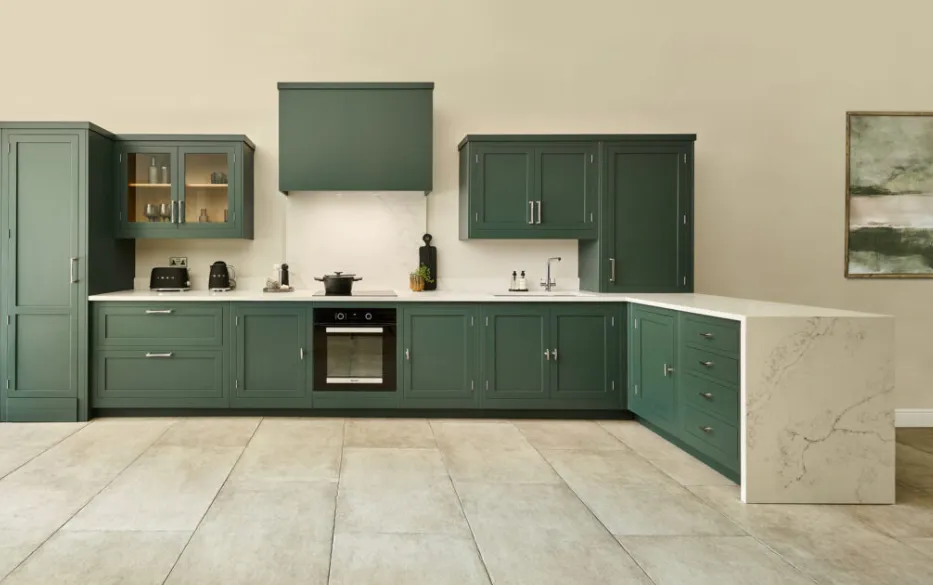

Hiring a designer to build your dream kitchen sounds exciting. But most people have no idea what the process actually looks like. They show up to the first meeting with Pinterest boards and walk away confused by timelines, fees and decisions they were not ready to make. Working with bespoke kitchen designers is a serious process. It takes time, requires real input from you and costs real money. The result can be extraordinary. But only if you understand what you are signing up for. Here is what actually happens, start to finish.
What Happens in the First Meeting With a Designer?
It is less about showing samples and more about asking questions. A skilled designer will want to understand how you live before they ever talk about materials. They will ask about your cooking habits, your household, your storage frustrations with your current kitchen and your must-have appliances. Some designers visit your home before drawing anything. That is a good sign. It means they are designing for your space and your life, not pulling from a template. Expect the first meeting to last one to two hours. Come prepared with specific answers, not just inspiration images.
How Long Does a Bespoke Kitchen Actually Take?
Longer than most people expect. According to the Kitchen and Bathroom Designers Institute, a fully custom kitchen project takes between 12 and 24 weeks from first consultation to final installation. That includes design development, approvals, material ordering and manufacturing lead times. Some imported cabinetry systems from Europe can take 10 to 14 weeks just for delivery. Add site preparation and installation and you are looking at a serious timeline. If a designer promises you a custom kitchen in six weeks, that is a red flag. Good work takes time.
What Does a Bespoke Design Process Look Like Step by Step?
First comes the discovery phase where the designer learns your needs and measures your space. Then comes concept development with initial layouts and mood directions. You review, give feedback and they refine. After approval, they produce detailed technical drawings and specifications. These go to manufacturers and suppliers. Once everything arrives, installation begins. Throughout this entire process you will make dozens of decisions about materials, hardware, appliances and finishes. A good designer guides those decisions. A great designer helps you make them confidently without overwhelming you.
How Do Designers Handle Budget Conversations?
Directly. And early. Reputable bespoke designers want to know your budget in the first meeting. Not to judge you, but to make sure the design is actually achievable within your constraints. A well-designed AUD $80,000 kitchen beats a poorly executed AUD $150,000 one every time. Designers who avoid the budget conversation early tend to over-design and then have to walk things back later. That wastes everyone’s time. Be honest about what you can spend. A good designer will tell you what is realistic and what is not.
What Should You Actually Ask a Designer Before Hiring?
Ask how many kitchens they have completed at your budget level. Ask to see real project photos, not just renders. Ask who handles the installation and whether they project manage the trades. Ask what happens if materials arrive damaged or delivery is delayed. Ask about warranty on cabinetry and workmanship. These are not awkward questions. They are exactly what a serious client asks. A designer who gets defensive about any of them is not the right fit. Confidence, transparency and a portfolio of completed work at your price point matter more than a beautiful studio.
Why Is the Client Brief the Most Important Document in the Project?
Because it keeps everyone honest. A detailed client brief documents everything you discussed in the discovery phase. Your priorities, your lifestyle needs, your non-negotiables and your budget. Once signed, it guides every design decision. It also protects you if the scope starts to drift. Scope creep is one of the most common and expensive problems in kitchen projects. A 2022 survey by Houzz found that 34% of renovation projects went over budget, often due to unclear or undocumented scope. A written brief, reviewed and agreed to before design starts, dramatically reduces that risk.

Olivia Bennett is a creative content writer at SmartResponces, specializing in witty replies, thoughtful responses, and modern communication tips. She helps readers navigate everyday conversations with ease—whether it’s replying to texts, handling awkward situations, or adding humor to their interactions.
With a passion for digital communication, social trends, and relatable storytelling, Olivia creates content that is both engaging and practical. Her work covers topics like funny comebacks, relationship communication, texting etiquette, and confidence-boosting replies designed for real-life use.
Olivia’s writing style is friendly, conversational, and easy to follow, making her content accessible to a wide audience. She believes that the right words can make any conversation smoother and more memorable, and she aims to help readers express themselves clearly and confidently.






Leave a Comment